Seasonal Bookkeeping Tips for Small Businesses in Florida: Preparing for Tax Season


Understanding Florida's Tax Climate
Florida offers a unique tax environment for small businesses, primarily due to the absence of a state income tax. However, this doesn't mean business owners can relax when it comes to tax season. Understanding the local tax obligations and preparing accordingly is crucial. As the year comes to a close, it's important to ensure that all financial records are in order.
One key aspect to focus on is sales tax. Florida requires businesses to collect sales tax on transactions, and keeping accurate records of these is essential for compliance. Additionally, businesses should be aware of any local taxes specific to their county or city.

Organizing Financial Records
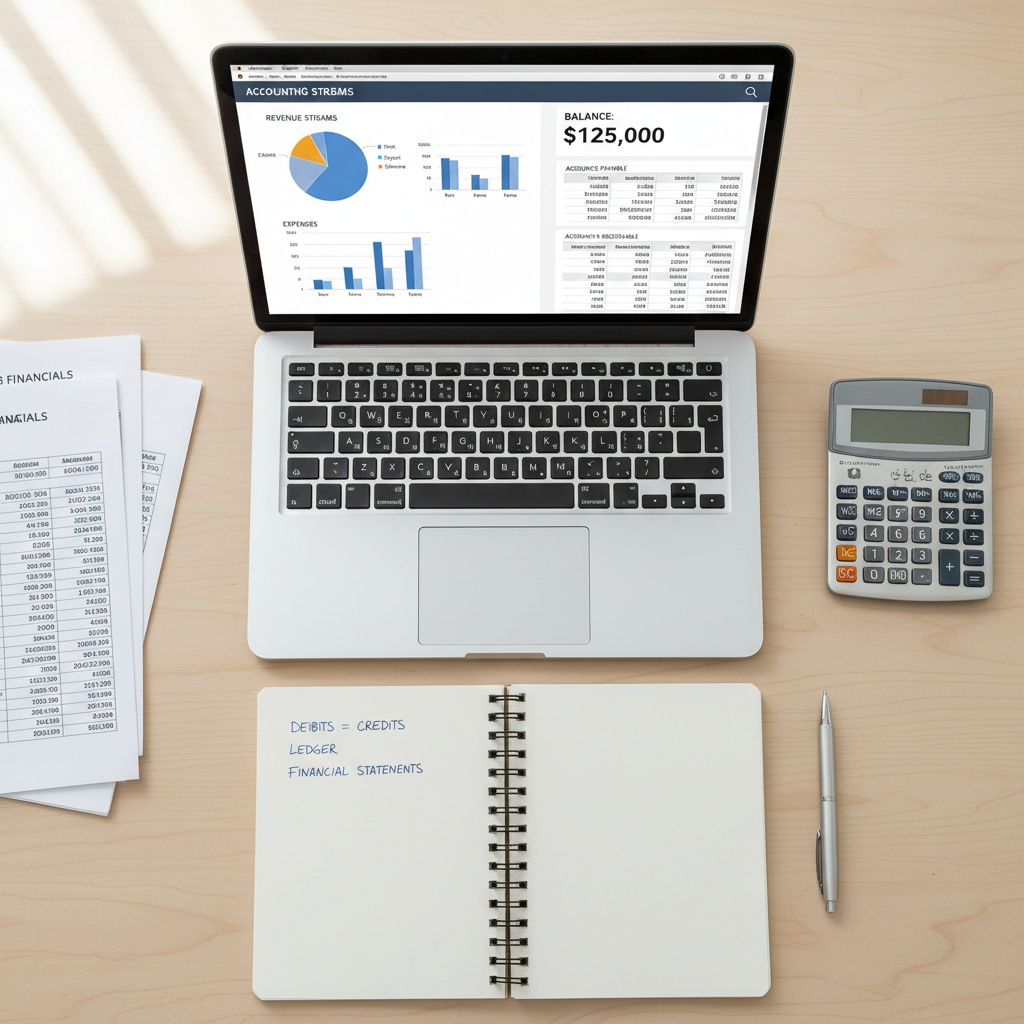
Proper organization of financial records is the backbone of efficient tax preparation. Start by reviewing your bookkeeping methods to ensure they are up-to-date and comprehensive. Use accounting software to streamline the process and reduce manual errors. This will help in maintaining a clear record of all transactions.
It's also beneficial to separate personal and business expenses. Having distinct accounts prevents confusion and simplifies the bookkeeping process. Make it a habit to regularly update your records to avoid last-minute hassles during tax season.
Utilizing Accounting Software
Investing in reliable accounting software can significantly ease the burden of bookkeeping. These tools can automate many processes, such as invoicing and expense tracking, allowing you to focus more on your business operations. Many software options also offer tax-specific features that help in preparing for tax season.
Maintaining Compliance with Regulations
Compliance with both federal and state regulations is essential. Regularly update your knowledge of any changes in tax laws that might affect your business. This can be achieved by consulting with a tax professional or attending workshops and seminars dedicated to small business tax regulations.
Additionally, staying compliant includes filing all necessary forms on time. Missing deadlines can lead to penalties, which can be easily avoided by setting reminders and organizing your calendar around important tax dates.
Working with a Tax Professional
Consider hiring a tax professional who understands the intricacies of Florida's tax laws. They can provide personalized advice, assist in accurate record-keeping, and represent your business if any issues arise with the IRS. Their expertise can be invaluable, especially if you're unsure about certain tax deductions or credits.

Maximizing Deductions and Credits
One of the benefits of thorough bookkeeping is the ability to identify all possible deductions and credits available to your business. Common deductions include office supplies, business travel, and employee salaries. Reviewing your expenses carefully can lead to significant tax savings.
Ensure that you keep all receipts and documents related to these expenses. This documentation is crucial in case of an audit and can help validate any claims made on your tax return.
Conclusion
Preparing for tax season doesn't have to be overwhelming. By staying organized, leveraging technology, and seeking professional guidance, small businesses in Florida can navigate tax season smoothly. Remember, proactive preparation and consistent record-keeping throughout the year are the keys to a stress-free tax experience.